Each plant has its preferred home
Just as races of people have an origin and certain characteristics – both physical and behavioural – that identify them and tell you something of them, the same is true of plants.
Plants have a place of origin and while, just as peoples move around the world, plants also move and are found in many places, you will find that all the places in which the plants thrive have the same characteristics as the place of origin. It is the place of origin and the nature of the adopted new homes which tell us about the nature, characteristics and preferences of these living things – and tell us whether they will thrive in our gardens.
Understanding the origin and nature of each plant helps us understand how and where we might place that plant in our gardens – or not. If a plant is at home in the right environment, it will thrive and can be its most beautiful and healthy – and that is the energy and beauty it can then contribute to our garden.
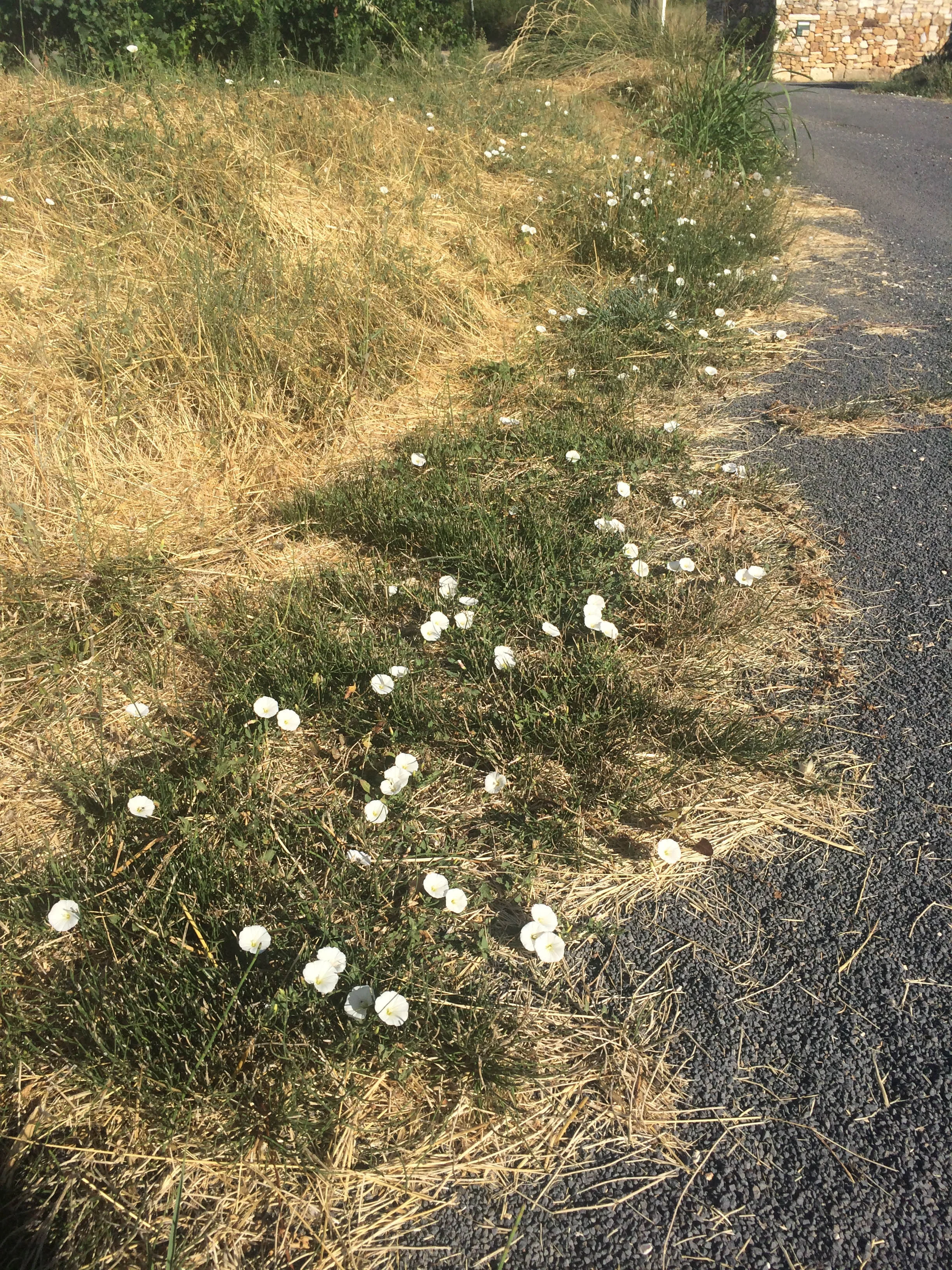
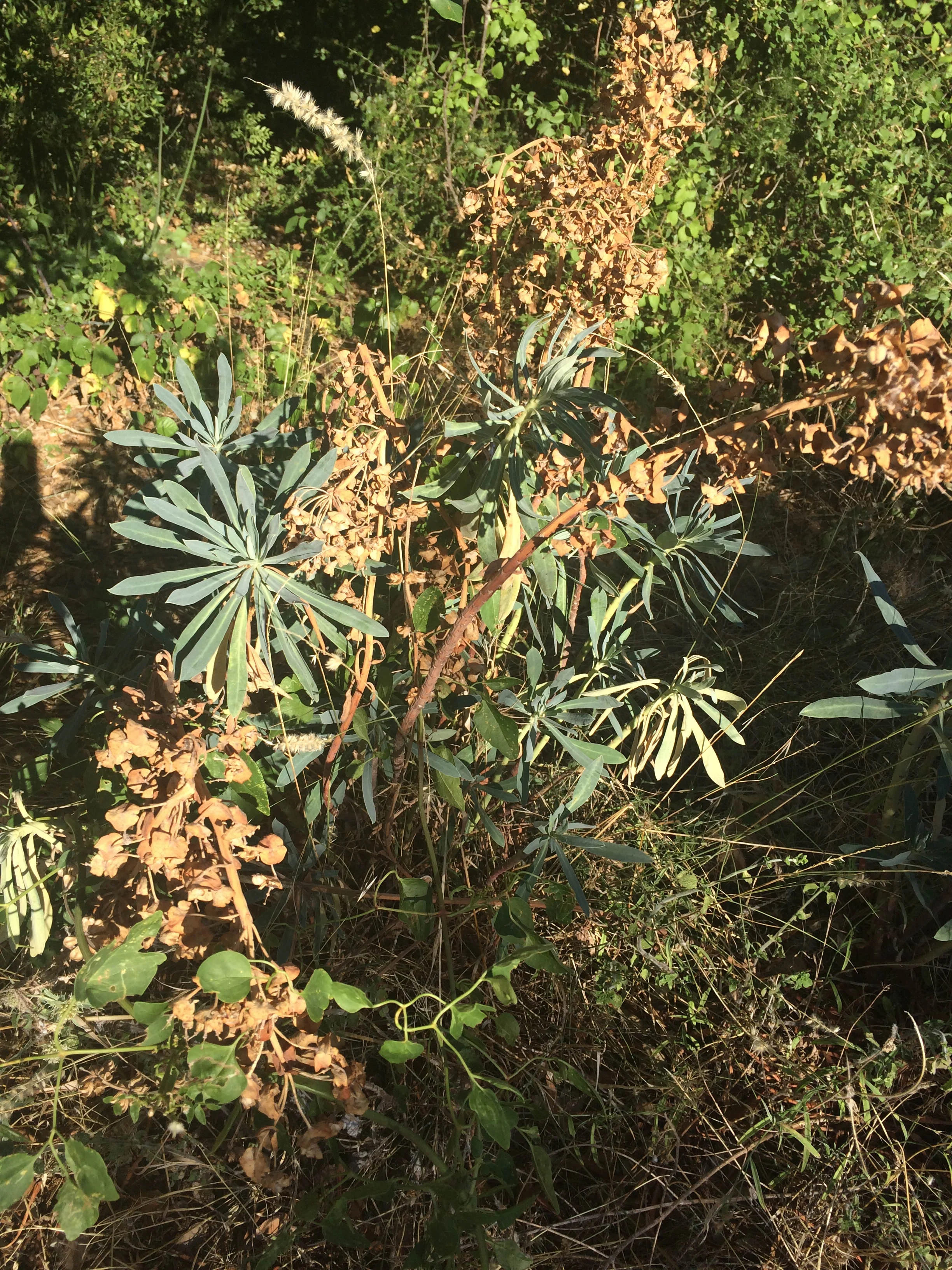
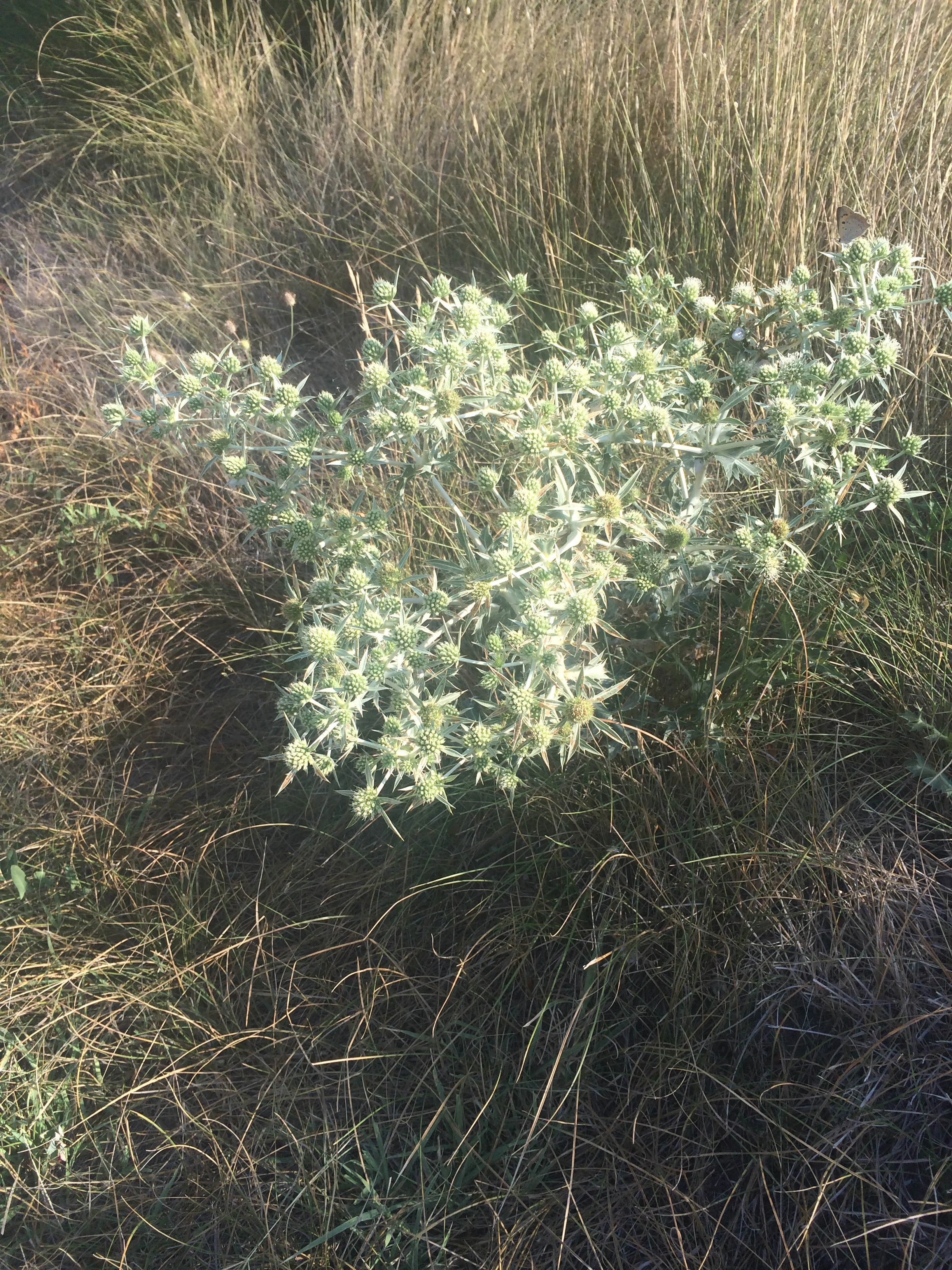
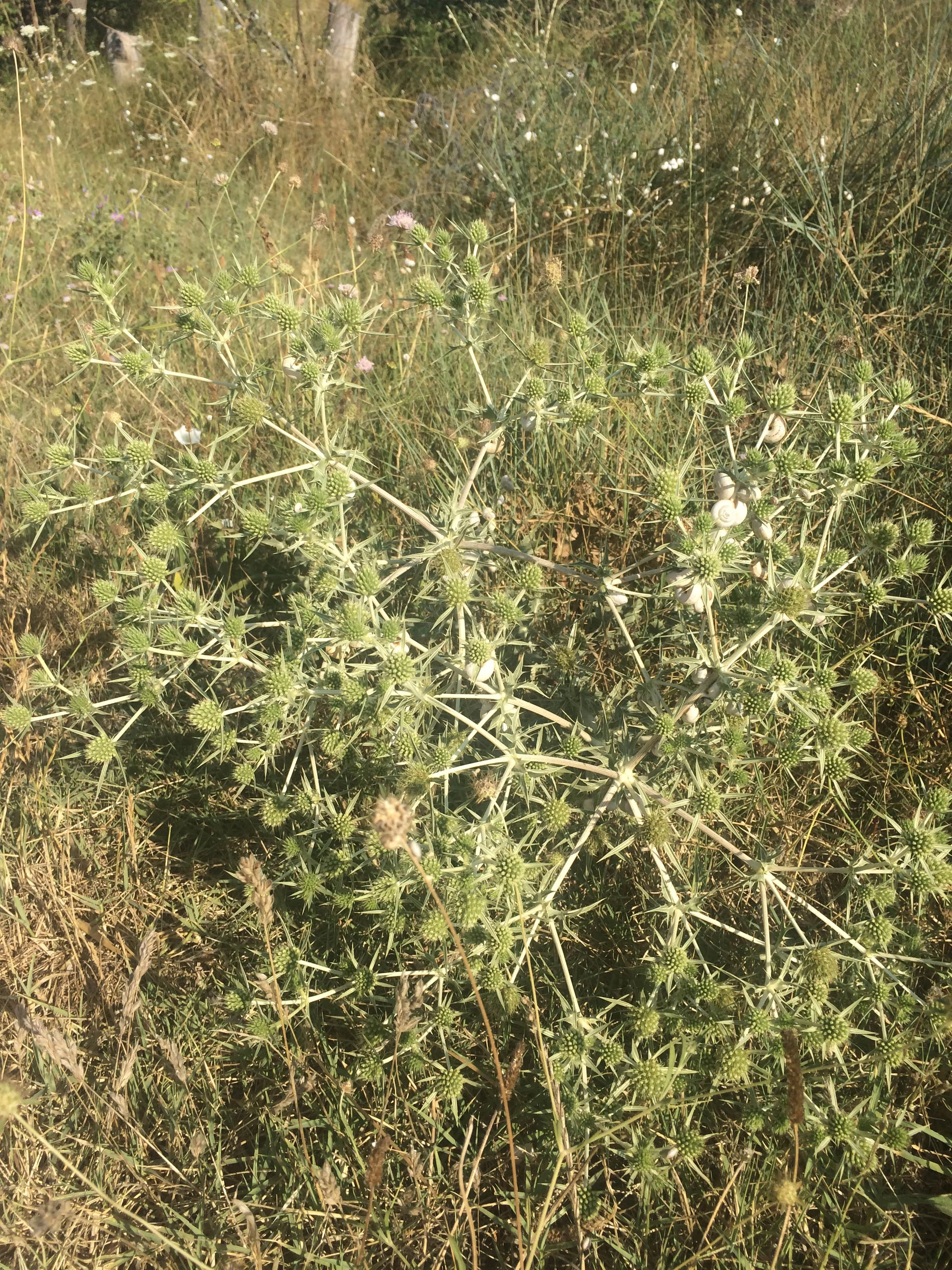
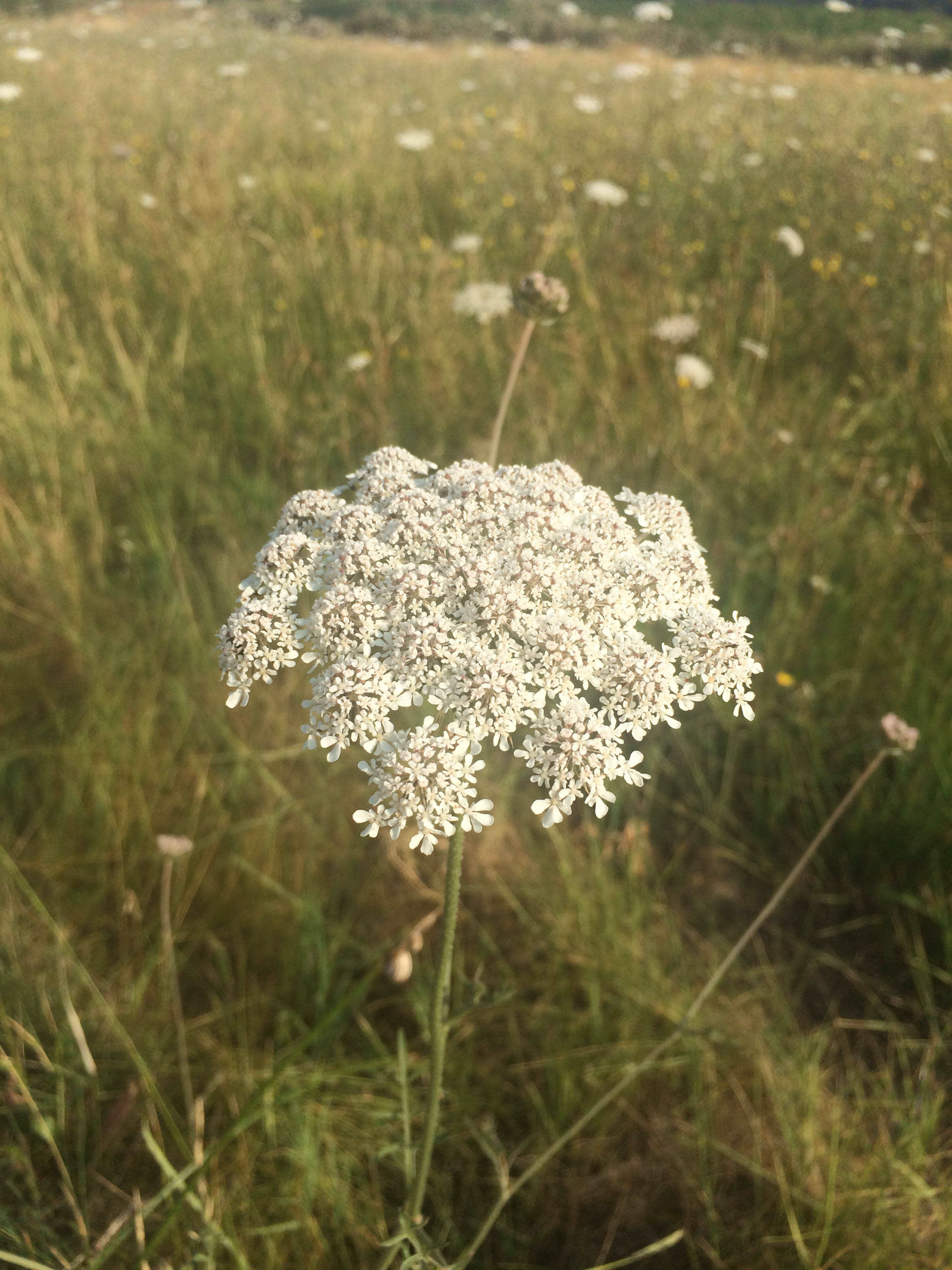
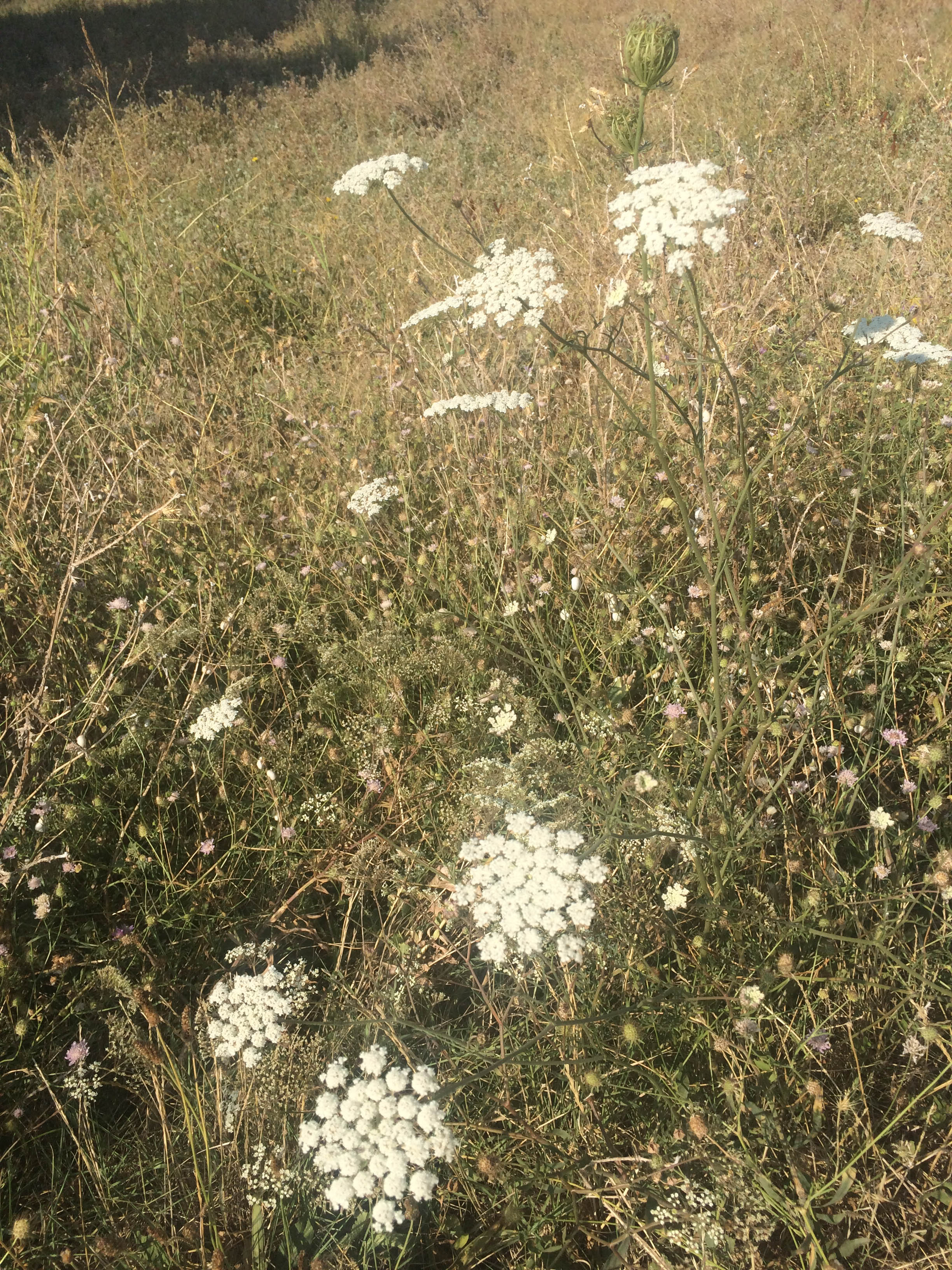
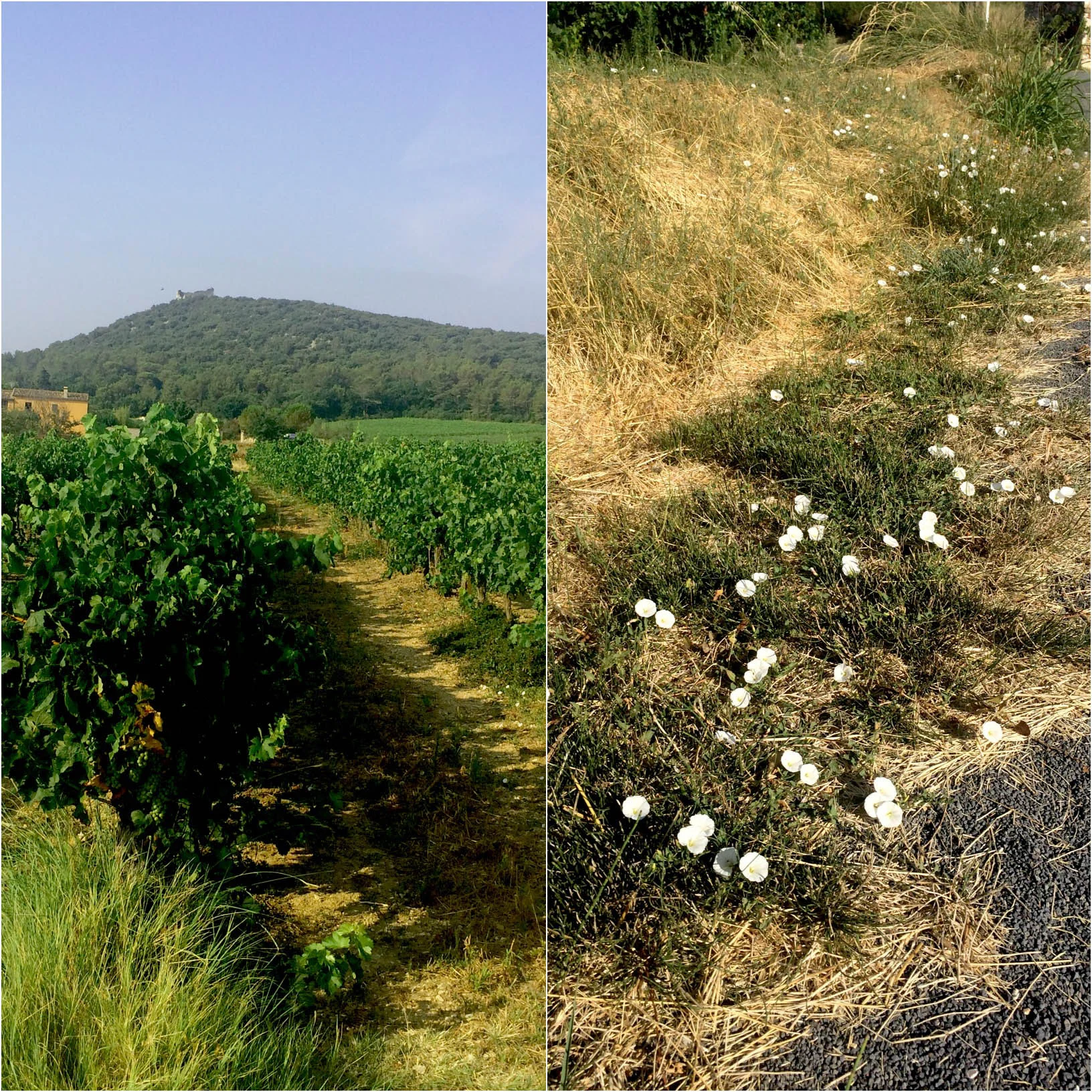
Walking through the Mediterranean Garrigue – the tough, low-growing scrub-lands found across the dry and drought-afflicted limestone hills of southern France and parts of Spain, you find plants that are completely at home in this seemingly inhospitable environment. The summers here are hot and dry, the winds are searing and the winters are freezing. These plants are tough; their growth habit dense and compact, branches are wiry, leaves generally small, hard and often silvery. Their fruit are discrete and well protected. They grow up through the limestone dust and rock and are very much alive.
They remind us that this Earth has plant life of such diversity and richness, adapted for every condition and every corner. To make a garden that is alive and thriving, we need to know in detail both the conditions of the garden – the soil, where there is water, where the sun reaches the garden – and the plants which are at home in those precise conditions.
As we let the Earth teach us, as we pay attention and observe, all the answers we need are on beautiful display.
A peoples and plants have moved around the world and continue to do so, we do not have to only use plants that are purely indigenous within our gardens. While these travels and introduced species have brought some problems, they have also brought richness.
I feel that our work is to understand each environment, to understand the plants from all over the world which grow in each particular environment and to then create beauty with the materials of plant, rock, mineral and water that we have been given. If we do this well, the plants will thrive, the land will be balanced as the right amounts of nutrients and water are drawn from it and the gardens will come into balance and health. This then affects the well-being of every living person and creature who comes into the garden as they draw on this.
And so to the garrigue – there are euphorbias and convolvulous, conifers, olives and evergreen oaks. The leaves are small and tough to protect the plants from losing water in the heat and hot winds, they have adapted to hot summers and cold winters. The grey, silvery leaves reflect the light, meaning that the leaf does not overheat and does not lose moisture. Minute hairs on the leaves also protect the leaf’s surface from the drying effects of hot winds. The roots of the plants have adapted to long periods of drought and nutrient-deficient soils. These are the plants of the Mediterranean, and they also thrive in many parts of Australia where there are very similar conditions.
If you live on the coast, take a walk and see what plants are thriving in the salt-laden winds and sun, if you live in the woods, what is naturally growing in these areas? Be observant as the plants will also be suited to the soils of the area and the climate.
As a designer, it is one of the first things we do – a site survey to understand exactly the soil, the climate, the micro-climates, the local vegetation, where the water flows. We then find plants whose native environments are a match to those on the site and we work with these plants.